
Meanwhile Matters

Unlocking the potential of temporary uses 

16 Sep 2025

The high street is undergoing major changes due to shifts in shopping and working habits, leading to reduced demand for physical retail space. In 2024, over 13,000 stores closed, with projections of nearly 17,500 more closures in 2025, resulting in significant job losses. Major department stores like Debenhams and House of Fraser have been heavily affected. With vacancy rates averaging 13.8%[1], the government has introduced initiatives like High Street Rental Auctions to repurpose empty units[2].
  
Town centres are evolving into social and experiential hubs rather than purely retail spaces. Lichfields is actively supporting this transformation through redevelopment projects[3] and its Revitalise Toolkit[4]. A growing trend in this shift is the use of “meanwhile uses” — temporary solutions until permanent uses are found. The Insight Focus explores recent examples, including those managed by Lichfields, highlighting the drivers, types, and best practices for successful implementation.


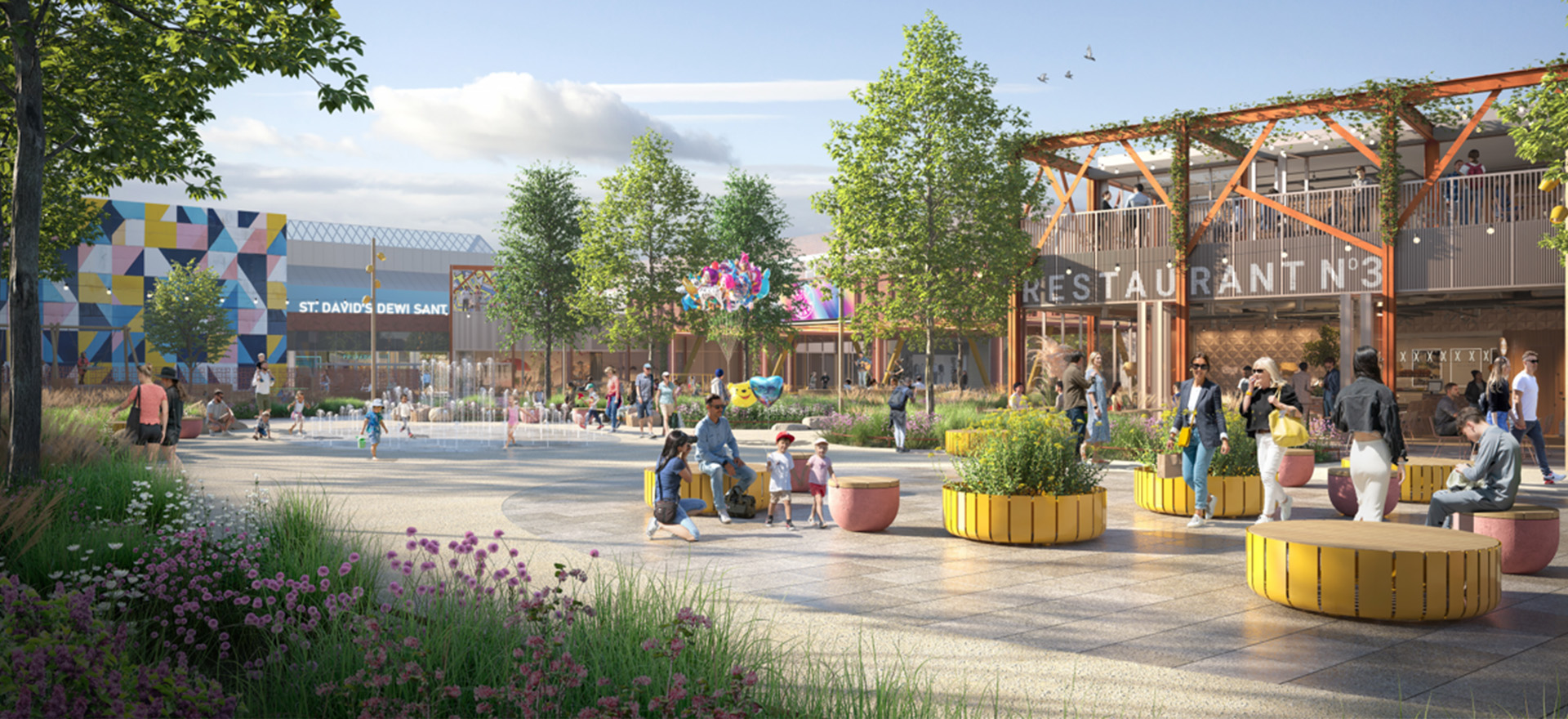
City Park, Cardiff

Cardiff Council


Temporary re-use does not need to be limited to short term operations. Lichfields has been assisting Land Securities in the redevelopment of the former Debenhams store. The site forms part of Land Securities wider ownership portfolio who aspire to enhance the City Centre offer. The components of this offer i.e. food and beverage, leisure, office space, residential etc…. will change over time and it is within this context that the City Square was presented as a meanwhile use.  

It is intended that City Square create a memorable and welcoming experience to support the adjoining St David’s shopping centre. The Square will become a point of difference; providing a pleasant contrast to its surroundings and encourages visitors to dwell, interact with others and nature. Key components of the Square include a water-based splash park and an equipped play space, aligning with Cardiff City Council’s aspirations of being a UNICEF Child Friendly City. Other key components include a series of street food kiosks, an adaptable space for temporary/seasonal events and a performance stage/auditorium. The adaptability of the square is deemed to be a key to its success. 
 
Planning permission was granted in February 2025, and development is underway.


Underlying reasons driving change

 
Town and city centres are experiencing significant transformation, prompting a rethinking of their purpose and use. A 2020 Lichfields study found that 59% of young people visit town centres primarily to eat out, while Savills reported that leisure and experiences make up 14.3% of consumer spending (Lichfields, 2020; Savills, 2018). These findings suggest that people are increasingly drawn to events and experiences rather than just shopping. To remain relevant, towns and cities should adapt to these evolving preferences.
 
Figure 1: What are the main reasons why young people visit town centres? 

Source: Lichfields survey of 16-25 year olds - September 2019 


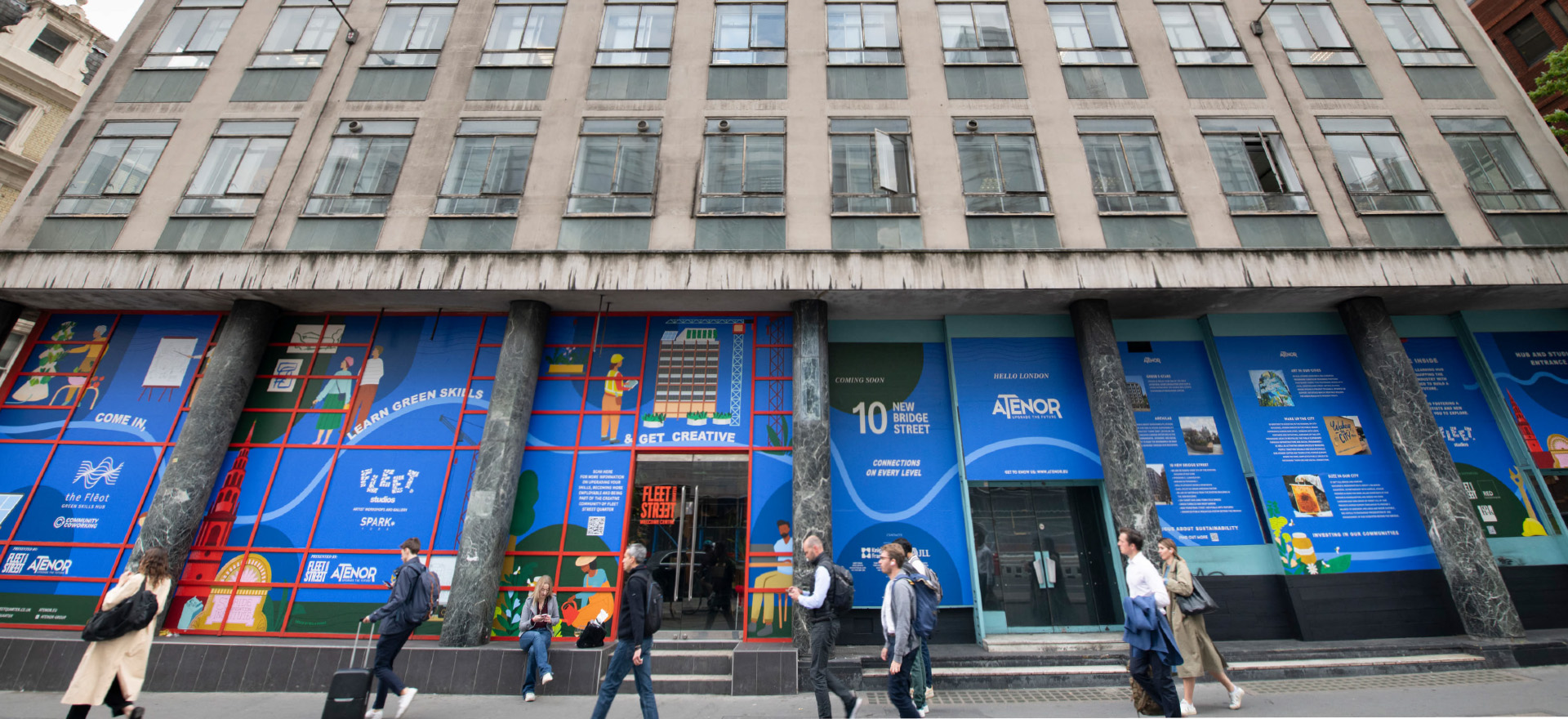
10 New Bridge Street, London  

City of London Council


On behalf of the developer Atenor, Lichfields has advised on the site of Fleet House, an outdated 1950’s office building in the City of London, since 2022.   

The building had planning permission for redevelopment, however in October 2024 a revised scheme for planning was submitted. This scheme preserves 73% of the existing structure and, on completion will deliver a best-in-class office workspace destination which provides exemplar sustainability credentials. The proposals also include a new public route with public art, a reprovided public house, a public roof terrace with views of St Bride’s church and a community café.  

In the meantime, the site is being used as a community coworking green skills hub which provides courses focused on retrofit, renewables and digital skills shortages to address the current skill shortages in the industry. The social value of the hub is estimated at £150,000. The site also provides a free public art gallery at ground floor as well as studio space for up to 40 artists. These artists will be provided with the opportunity to display art in the new community café upon development completion.


Evolution of Policy Response 

 
In England, amendments to the Use Class Order in 2021, in particular the introduction of a new Class E (a commercial, business and service class which subsumes uses which previously fell within use classes A1/A2/A3/ D2 (part) and D1 (part)) – now allows many changes of use in principle to take place without the need for planning permission. Similar changes in Wales were consulted on but have not been forthcoming.
 
Whilst the clear lack of political recognition of high streets and town centres in the draft NPPF (July 2024) raised concerns across many in the industry, The House of Lords Built Environment Committee’s first report of session 2024-25 titled: ‘High Streets: Life beyond retail?’ sent a clear signal -  high streets are back on the Government’s agenda. The various recommendations set out in the report are considered predominantly positive and if taken on board fully by the Government, could assist in revitalising our high streets and town centres[5]
 
As it stands there is little indication that national guidance and planning policy for town centres is to be bolstered.
 
The Government issued a written response  on 6 February 2025 to the House of Lords Built Environment Committee's Report.  The Government's response points to measures such as High Street Rental Auctions, alongside wider aims for devolution and local authority investment to promote micro interventions at the local level. Central is the Government’s commitment to empowering local authorities to take  action to enhance vitality and viability, in recognition that each high street has a unique combination of issues amongst recurring themes: high vacancy rates, falling footfall, changing consumer habits and in some cases, a need for imaginative repurposing[6].
 
The tools outlined by the Government also suggests financial support for business may come forward through local channels via devolution and increased financing of local government. We have seen High Street Commissions being set up by Regional Mayors, including the Liverpool City Region in 2020 and most recently by North East Mayor Kim McGuiness. This demonstrates local leadership for high streets and a desire to explore how town centres can thrive under devolutionary powers[7].It remains to be seen how hard some of these initiatives will be hit by future fiscal constraint.


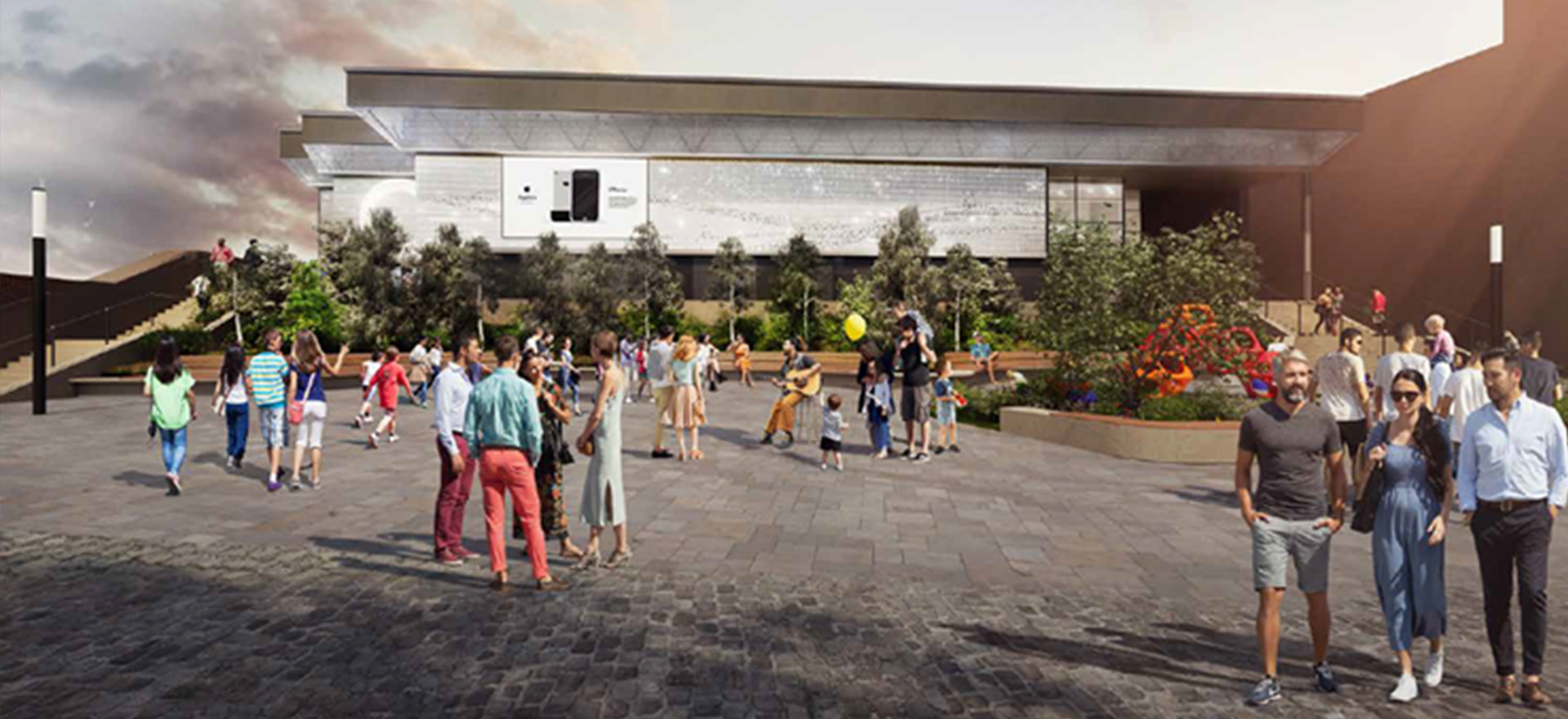
Eastern Gateway, Derby

Derby City Council


In 2021, it was confirmed that Derby City Council would receive £15m funding from the Future High Streets Fund (‘FHSF’). Part of this would be committed to facilitating the transformation of the Eastern Gateway and the entrance to the Eagle Market, a large 1970’s market hall, which had long suffered from high vacancies.  

Lichfields has acted on behalf of owners of the adjoining Derbion shopping centre since 2013. The Eastern Gateway site relates to the northern part of the existing market hall and the Castle & Falcon public house. In September 2024, Lichfields submitted an application for a new area of public realm and landscaping for East Street, a play area, and a new building façade to the Eagle Market. Planning permission was granted in December 2024.   

The long-term masterplan for the site includes the redevelopment of the wider Eagle Market to deliver 800 new homes, known as the Eagle Quarter; and forms part of the wider strategy for the city centre. Lichfields submitted an outline application for the Eagle Quarter in January 2025. In the interim we have advised the owners on options to introduce meanwhile uses to the vacant market space, which will play an integral role in revitalising the city and peaking interest in the space.


The Benefits of Meanwhile Uses

 
The reuse of unoccupied and underutilised urban spaces, including former department stores play an integral role in adjusting to the changing expectations of town centres. Many of the above urban spaces are difficult to readily repurpose and/or redevelop as they often form part of a wider regeneration opportunity and/or comprise heritage assets. 
 
Until longer-term permanent development proposals are brought forward, temporary and flexible uses present a valuable stop-gap with the following benefits:
 

Economic

Social

Environmental


Pop Brixton, Lambeth

Lambeth Council


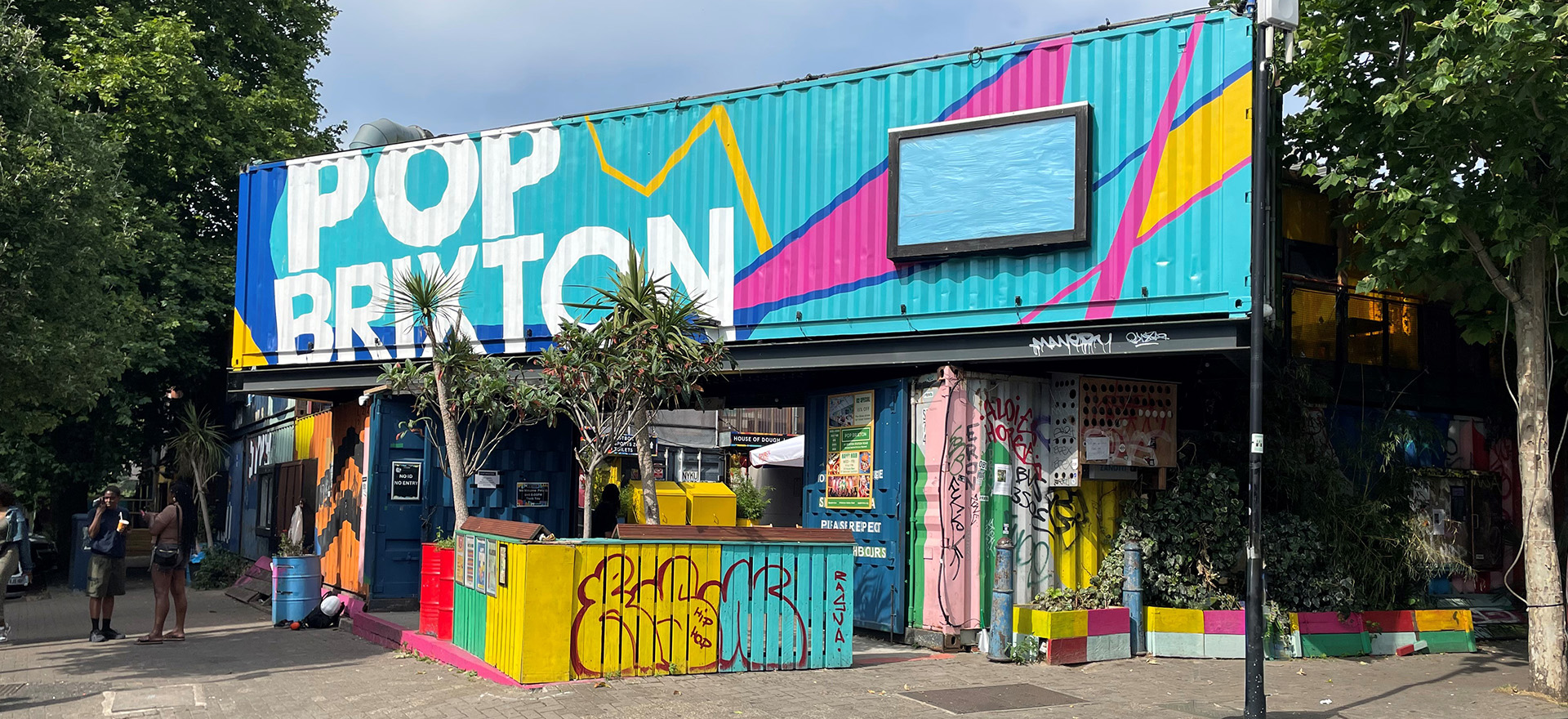
Pop Brixton is a development of 55 converted shipping containers on a site owned by Lambeth Council.   It provides a range of business, community and retail spaces operating on a temporary basis while long term plans for the site are developed. The site had experienced a great amount of success and subsequently the temporary permission was extended in 2019 and again in 2024. The site now has permission for temporary use until September 2029.
 
Social and community objectives are at the heart of the project which provides a space for local community groups and support for local enterprise, employment and training. These objectives remain at the forefront of the long-term development proposals for the site, with a planning application expected coming forward in late 2025.


Guiding Principles

 
Lichfields experience in advising clients on the reuse of vacant and underutilised town centre sites on a meanwhile basis, as well as the identification of a number of examples nationally has assisted in informing key challenges and opportunities. 
 
We have identified a series of guiding principles to assist others in promoting successful reuse schemes in the future.
 
 
A wider perspective on viability
 
The reuse of vacant and underutilised urban spaces on a temporary basis may not always prove financially viable, but the underlying objectives of the re-use mean that a more flexible and wider view on viability is necessary. Lichfields extensive experience on temporary use projects for a wide range of clients, including shopping centre owners and asset managers means that we are able to bring a wider understanding on viability on challenging or unique sites.


Delivery partners
 
As not all reuse opportunities will prove viable, there may be opportunities to seek funding from public bodies and/or delivery partners in the form of commercial developers. Lichfields is well connected to both public bodies and delivery partners to help explore possible funding options.


Stakeholder engagement
 
The success of temporary spaces is strongly aligned to whether it caters for a specific identified need. Early engagement and consultation with stakeholders is integral. We have extensive experience in leading consultation processes, we work closely alongside our in-house graphics department to produce eye-catching, high impact engagement.


Planning Policy
 
Alternative temporary reuses may present a challenge against out-of-date town centre policies seeking to protect A1 retail. Our significant experience across the sector, including thought leadership allows us to take decision makers on a journey of understanding in respect of the evolving nature of town centres.


Sustainability
 
Proposals for temporary re-use can form a stepping stone towards longer term proposals.  Re-using buildings is inherently sustainable and this is widely understood and supported. Lichfields is able to assist in every step of the development process from formulating business cases to obtaining permission for permanent redevelopment.


Clear messaging
 
Meanwhile uses can span a variety of timescales and present varying levels of permanence. It is important to be clear from the outset on intentions to manage user expectations.


Detailed design
 
Despite being temporary in nature, reuse proposals can present impacts that need to be carefully considered against existing neighbouring uses. Our extensive expertise across a variety of sectors means  we are well placed to identify and advise on key considerations.


Providing insight
 
Facilitating floorspace on flexible terms akin to incubator units may assist in identifying new market trends. Our Revitalise Toolkit has a proven track record of successfully tailoring interventions to transform town centres. Meanwhile uses have played a valuable role in informing suggested strategies to date. 


Looking ahead
 
There may be opportunities to foster and incorporate successful temporary uses into longer term permanent redevelopment proposals.


Shredenhams, Bristol

Bristol City Council


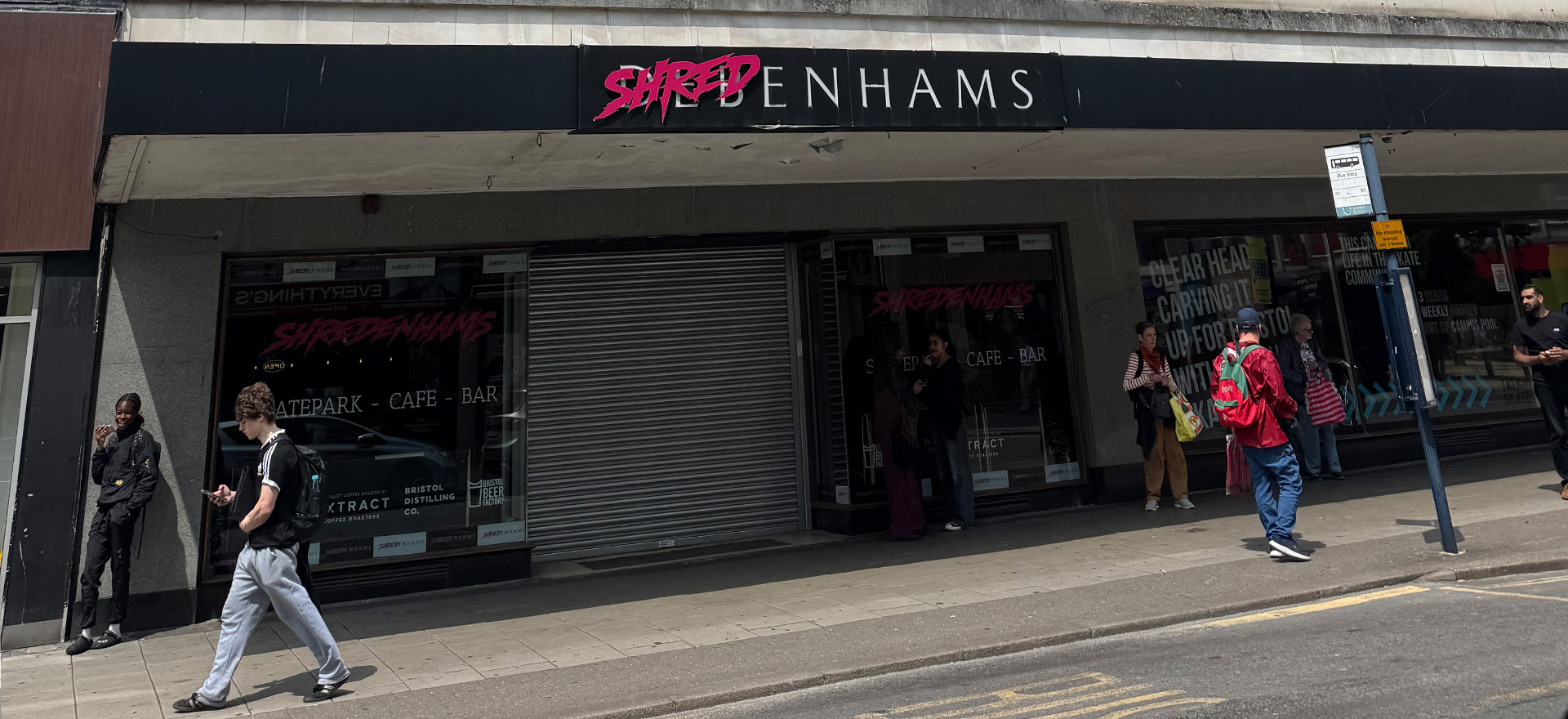
Shredenhams is a temporary purpose built skatepark, café and bar, located within the ground floor of the former Debenhams department store in central Bristol.
 
Members resolved to grant permission for the redevelopment of the site for a 502 apartment Build to Rent scheme on 24 April 2025. At 28 storeys, the proposal by developer 33 Horsefair Ltd will make it one of the tallest buildings in Bristol. 
 
In the meantime, the temporary skatepark, a community led project has been offered a lease by the developer for a minimum 6 month period as an interim use until redevelopment can commence. This innovative and transformative temporary re-use of a long-term vacant space has introduced a thriving and creative community hub in the heart of Bristol. In addition to the skatepark, the temporary repurposing includes arcade games, pool tables and a café for visitors to enjoy and spend time.  


The Future

 
Meanwhile uses offer a dynamic and temporary way to revitalise town and city centres, especially appealing to younger generations who prioritise experiences over retail. These uses foster creativity, innovation, and a sense of discovery, helping transform vacant spaces into vibrant destinations. They support experimentation with new ideas, enhance the identity of places, and keep centres lively and relevant, while also generating rental income and broader economic benefits. They will undoubtedly play a pivotal role in the future of town centres.


Stalled Spaces, Glasgow

Glasgow City Centre Council


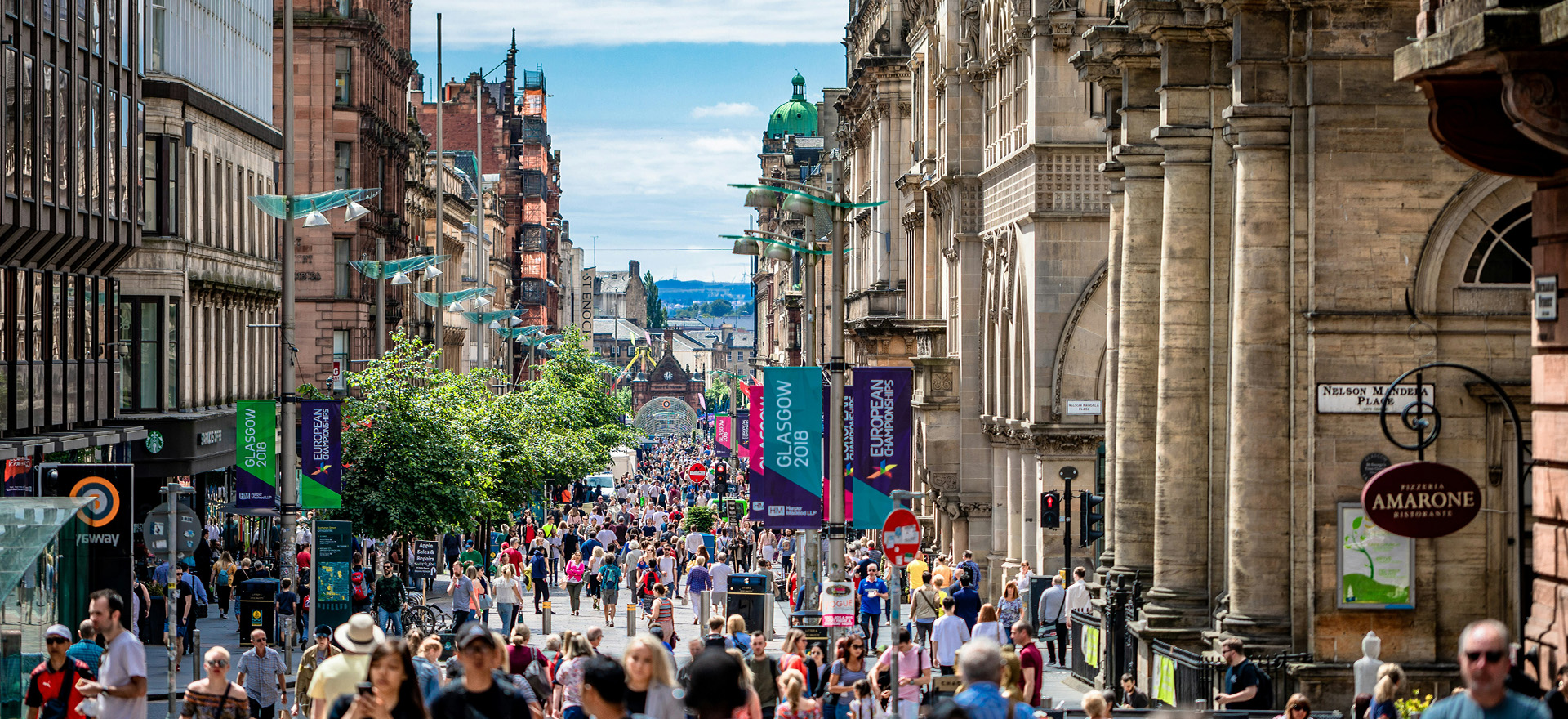
Founded in 2011, Stalled Spaces is a Local Authority led programme which has helped deliver over 100 temporary projects on stalled sites or under-utilised spaces for local organisations and community groups across Glasgow City Centre.
 
These projects vary from pop-up gardens, urban gyms, natural play spaces, pop up sculptures and temporary spaces for exhibitions. A notable example was the use of the basement area of the historic Central Station for a pop-up film festival. The festival included screenings of horror films and short theatre performances. The festival encouraged the local community to engage with one of Glasgow’s unusual, underused and hidden spaces. The event took place during the Glasgow film festival in 2014.


Insight authors


Cem Kosaner

Planning Director

Mali Meek

Planner


Footnotes

[1] Spotlight: Shopping Centre and High Street - Q4 2024 (Savills)
[2] See Lichfields blog High Street Rental Auctions  for further details.
[3] See Lichfields insight – ‘Out with the old, in with the new’ which explores opportunities for repurposing in town centres.
[4] Please see our Revitalise Tool Kit in which we create tailored interventions to unlock a centres potential, provide strategic frameworks for new investment, develop compelling business cases and bids’ and assist stakeholders in delivering new investment to transform town centres. 
[5] Please see Lichfields’ blog The Lords' view: High streets beyond retail for further details.
[6]Lichfields blog Devolution for the High Street: the Government’s Response to ‘High Streets: Life Beyond Retail?’ provides further details on this topic.
[7] Please see Lichfields’ blog Local Leadership for High Streets for further details

Image credits:
Header Image - Fotohaus Ltd
City Park, Cardiff - Chapman Taylor
Stalled Spaces, Glasgow - Artur Kraft
  

Disclaimer: This publication has been written in general terms and cannot be relied on to cover specific situations. We recommend that you obtain professional advice before acting or refraining from acting on any of the contents of this publication. Lichfields accepts no duty of care or liability for any loss occasioned to any person acting or refraining from acting as a result of any material in this publication. Lichfields is the trading name of Nathaniel Lichfield & Partners Limited. Registered in England, no.2778116