While the Government considers the responses that were submitted in respect of the draft National Planning Policy Framework (NPPF) 2025, and we await publication of the new policy, it is useful to take stock of some of the topics that were subject to less scrutiny during the consultation period. Focusing on design and the delivery of well-designed places, this blog considers the direction that national policy is taking and considers what this may mean going forwards. It forms part of a
suite of commentary based on the draft NPPF prepared by Lichfields.
An initial review concludes that there are few significant changes between the current NPPF Chapter 12
[1] and Chapter 14 of the 2025 Consultation Draft
[2], with there still being an overarching presumption that poorly designed proposals should be refused.
Alongside the draft NPPF, four previous guidance and coding documents have been consolidated into one document; the
Design and Placemaking Planning Practice Guidance (DPPPG)
[3] will provide a single point of reference for applicants and decision makers – providing greater clarity in the interpretation of design standards.
But is that all there is to it, or does this deserve more than a very short blog?
Plan-making and decision-making
While the current NPPF promotes a combined plan-making and decision-making approach, Chapter 14 of the draft NPPF makes a distinction between plan-making (DP1 and DP2) and decision making (DP3 and DP4), an approach that has been applied to the whole policy document.
Paragraph 135 of the current NPPF sets out a series of design tests which are to be addressed in the formation of policy and the determination of planning applications, while the ten characteristics of well-designed Places requires users to cross refer to the accompanying National Design Guide. Within the draft NPPF the seven key principles for well-designed places are clearly set out within the decision-making policies section of (Policy DP3), highlighting that development proposals should respond to both their context and the key principles. This policy effectively provides a list of fundamental features that proposals must address. The seven principles are described more fully in Part 1 of the DPPPG, where they are introduced and described as ‘features’, each with their own sub-principles. Reference is also made to the seven principles within the plan-making policies section concerned with setting out clear design expectations; Policy DP1(c) “Set[s] out locally-specific design policies or standards which are necessary to add further detail to the principles in policy DP3,..” Therefore, while the draft NPPF introduces national development management policy relating to achieving well-designed places, it also provides a mechanism by which locally specific policies can also be established in local plans.
It remains to be seen to what level the seven principles are used within the decision-making process, how effective the approach of including these in national policy is in delivering well-designed places and whether the inclusion of additional site-specific policy will result in either repetition or, indeed, conflict. Lichfields will continue to monitor this to provide future insight.
Design objectives, characteristics and principles
A quarter of a century has passed since
By Design, Urban design in the planning system: towards better practice[4] was published by the (then) Department of the Environment Transport and the Regions and the (former) Commission for Architecture and the Built Environment. The aim of the guidance was to
“promote higher standards in urban design”. It was the first major national design guidance of its kind in England and was based upon seven objectives supported by a series of considerations related to aspects of development form. These objectives were set out as a series of
aims to promote better urban design. Two decades later the National Design Guide’s ten characteristics provided a series of
features to
“nurture and sustain a sense of community…. and address environmental issues..” In the most recent draft the seven principles effectively provide a series of
rules to achieve well-designed places. Collectively, this reflects a shift from initial design ambitions to a defined set of criteria that set out what is expected. Further comparisons between the NDG and the DPPPG are made within
Charlotte Walker’s blog.While there is still a degree of cross referencing to DPPPG to provide a more comprehensive explanation of the principles, as there is currently with the NDG, the key shift in the latest iteration is that the principles of achieving well-designed places will be set out clearly within national policy – listed within DP3 and referenced directly within DP1, providing greater emphasis on achieving good design quality.
However, as illustrated in Figure 1 below, the seven key principles represent an effective distillation of the ten characteristics as set out in the National Design Guide. Within DPPPG each ‘feature’ (principle) has an introductory paragraph related to context, highlighting the importance now given to context as an overarching thread. As with the current NPPF and associated guidance, both the draft NPPF and the DPPPG seek to ensure that proposals are sympathetic to local history, features and character while not precluding appropriate innovation and changes. But the main addition is the inclusion of the principle of ‘Climate’ and, in particular, the references to how proposals should “contribute to climate change mitigation and adaption and the transition to net zero...” In the context of the other amendments that do not really move the dial in terms of the focus on design, this is important in showing how design can be used to contribute to the delivery of the Government’s climate change and decarbonisation aspirations.
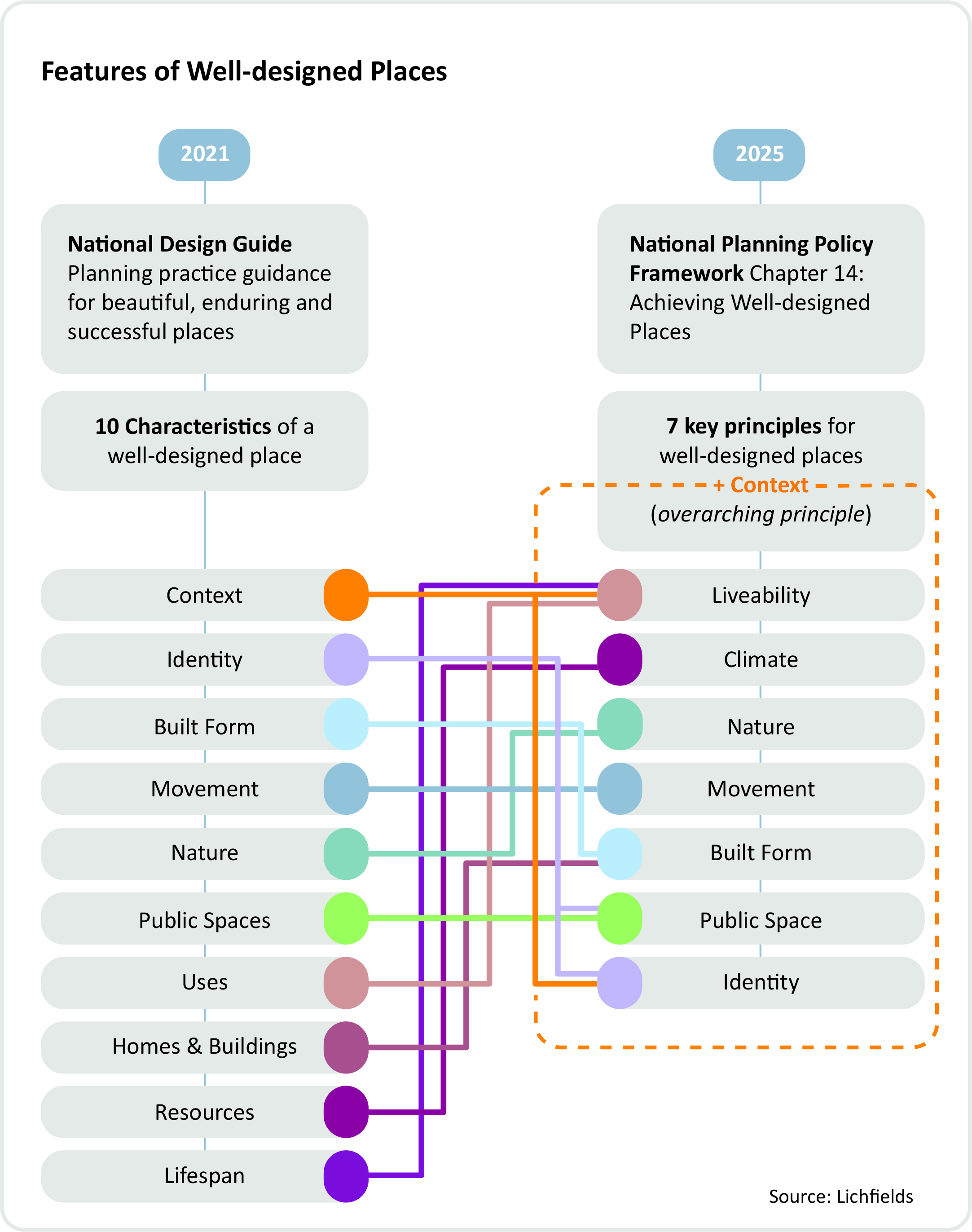
Figure 1: Features of Well-designed Places
Design coding
Both the current and draft NPPF highlight the necessity of design guides and codes to deliver successful, well-designed places. However, the draft version focusses upon where the use of such guidance would be most appropriate, highlighting “significant site allocations and areas of change”. It no longer specifically references “area-wide” codes or the potential role of Neighbourhood planning groups in “identifying the special qualities of each area”. The change in focus between ‘area-wide codes’ and ‘areas of change’ is more significant than it might initially appear. It indicates a move away from broader geographic areas to more targeted sites, and the associated potential to tighten-up guidance. It remains to be seen whether the local authorities, such as Buckinghamshire Council and Dover District Council, that have started to prepare area-wide codes will continue to do so, or whether they might shift their focus to align with national policy in coding for specific allocations within their area.
Design review
The emphasis placed on the design review process as a means of ensuring design quality has increased between the existing and draft versions. Currently “LPAs should have regard….to recommendations made by Design Review panels”. Within the 2025 draft, Policy DP1 requires development plans to set out the circumstances in which design review will be required, and Policy DP4 requires that “LPAs should ensure that they have access to and encourage the appropriate use of design review…and take into account their outcomes…”. The requirement for monitoring and review processes, to enable adjustment if required, has also been included, resulting in an approach which more strongly embeds the Design Review process within the policy framework.
Summary
It is apparent that the key principles within national design guidance have not changed much over the last quarter of a century (and even beyond that). The fundamental objectives, characteristics or principles have broadly remained the same, albeit with some rewording and restructuring, and the critical inclusion of climate most recently. It is the Government’s aspiration for the inclusion of the seven urban design principles within national policy for the first time that provides the opportunity to ensure the delivery of well-designed places, as greater weight can now be afforded under proposed Policy DP3 to the fundamental features of well-designed places. In addition, increased emphasis will be placed on design coding (but for site allocations and masterplans, rather than authority-wide areas), and on the design review process.
It remains to be seen how these changes will affect the plan-making and decision-making processes in practice, and whether these proposed changes become an obstacle to the desired streamlining of the planning system to deliver much needed homes at pace. Ultimately a degree of subjectivity remains, with the potential for variation resulting from the discretion of decision makers. Lichfields will continue to monitor how the new national policy is being implemented in design terms and will provide further insight on this in the future.
Lichfields’ urban design team can assist our clients to address the proposed changes within the draft by:
-
Ensuring that the seven design principles are addressed through the design stage, informed by a thorough understanding of the site and its context, to create well-designed places.
-
Articulate how the design principles are to be met through the preparation of design and access statements.
-
Supporting clients through the Design Review process to reach high quality, viable design solutions.
-
Preparing design guides, design codes and masterplans that are proportionate to the scale of change and are based upon a thorough appraisal of the local character with a clear understanding of the economic, social and environmental context.
To discuss your urban design requirements please contact
Sarah Goy or
George Williams.
Footnotes
[1] https://www.gov.uk/government/publications/national-planning-policy-framework--2
[2] https://www.gov.uk/government/consultations/national-planning-policy-framework-proposed-reforms-and-other-changes-to-the-planning-system [3] https://www.gov.uk/government/consultations/design-and-placemaking-planning-practice-guidance/design-and-placemaking-planning-practice-guidance
[4] https://www.designcouncil.org.uk/fileadmin/uploads/dc/Documents/by-design_0.pdf