For the first time in decades, Wales finds itself under a non-Labour-led Government. While the shift in leadership was not entirely unexpected, the introduction of a new proportional representation system meant that the final outcome was far from certain.
Plaid Cymru has emerged as the largest party in the Senedd, albeit without an overall majority. The party has previously held formal and informal roles in governance during Labour’s tenure, but this marks its first time leading the Government. With that comes both opportunity and challenge—particularly for the tourism sector that is integral to Wales’ future.
With only a short time since the Cabinet was announced, we remain within those critical early days where delivery priorities are being set and the direction defined. To date, there have been no new major announcements specifically targeting the tourism sector. As a result, much of this insight must be drawn from Plaid Cymru’s Manifesto
commitments. This blog looks at these commitments, how it aligns with the proposed changes to the planning system and what operators, landowners and developers might do as they evolve development proposals.
Reading Between the Lines of the Manifesto
One of Plaid Cymru’s five key priorities centres on “unleashing the potential of the Welsh economy” and creating well-paid jobs. While there is a clear underlying ambition to build a more sustainable, higher-value economy, the manifesto stops short of explicitly recognising the planning system as a primary driver of economic growth—something that has been more prominent in UK Government proclamations over the last two years.
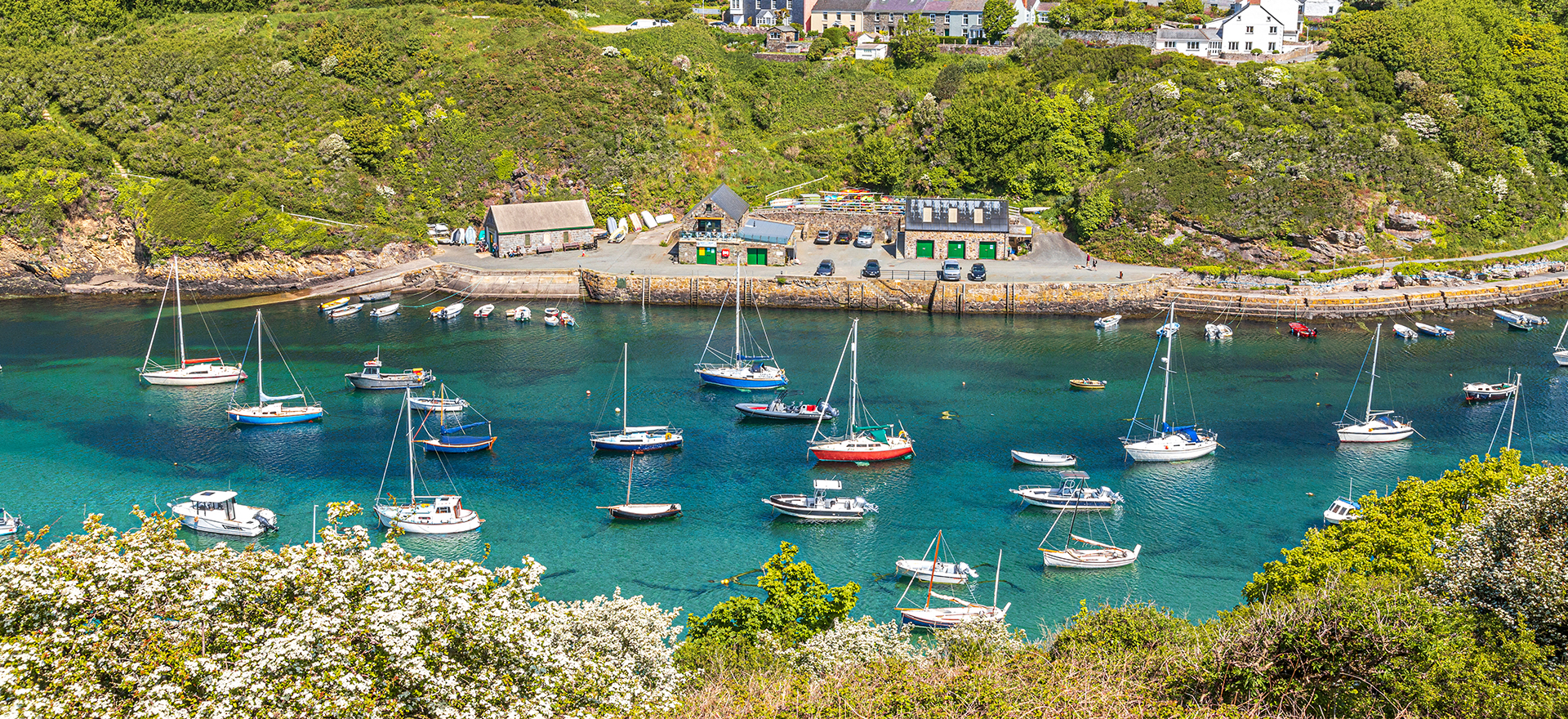
Solva Harbour, Pembrokeshire
Instead, the emphasis is on supporting Welsh-owned businesses and establishing a National Development Agency for Wales to drive investment, trade and innovation. A focus on the assets and potential of Wales is not groundbreaking; in the long term, if successful, it will be the basis upon which an independence referendum will be held. Plaid Cymru has ruled out such a referendum in this Senedd term but the new First Minister, Rhun Ap Iorweth, is not shy in his position that this would be the ultimate goal.
Tourism: Recognised, But Understated
Tourism is acknowledged as an important sector within the Manifesto, with a commitment to promoting Wales as a “top quality destination”. It highlights the importance of sustainable tourism that benefits communities, the environment, and Welsh culture and language.
However, this recognition feels somewhat muted when set against the scale of the sector. With an average of one in nine people
in Wales employed in tourism and hospitality, its economic significance is arguably underplayed, particularly in areas such as Pembrokeshire and Anglesey where one in five people are employed in the tourism sector.
That said, there are some practical commitments:
-
The 182-day threshold for holiday accommodation will remain under review, with potential new exceptions for certain types of accommodation;
-
Visitor levies will be retained, with a focus on ensuring revenues are reinvested into local services and enhancing the visitor experience
; and,
-
A forthcoming review of the Visit Wales model to support tourism and promote careers is also expected.
Delivering on the work from the last Senedd term, new registration requirements for short-term accommodation will come into force from October 2026
. Providers offering stays of 31 nights or fewer will need to register with the Welsh Revenue Authority by 31 March 2027. While registration is free, the resulting dataset is expected to provide valuable insights for local authorities, particularly for planning policy and local development plans, and for businesses looking to grow and invest to meet the needs of visitors to Wales.
A Stronger Voice from Government
The Government has signalled a more assertive stance in its Plenary speech
. Speaking in the Senedd, Adam Price, Cabinet Minister for Enterprise, Connectivity and Energy
—whose portfolio includes tourism, hospitality, and economic strategy—described tourism as a key economic sector with significant growth potential. He wants to see an increase the proportion of international visitors choosing Wales, alongside a commitment to build a closer, more collaborative relationship with the tourism industry.
None of this provides guarantees for the sector and the financial picture for the Welsh Government to deliver on all its commitments will be difficult. Reinforcing the tourism sector as part of the foundational economy should have greater priority alongside looking for ways to diversify the economy in a way that is vital to the people of Wales and its environment, such as through the delivery of affordable and market housing and renewable infrastructure.
Planning Reform: Evolution, Not Revolution
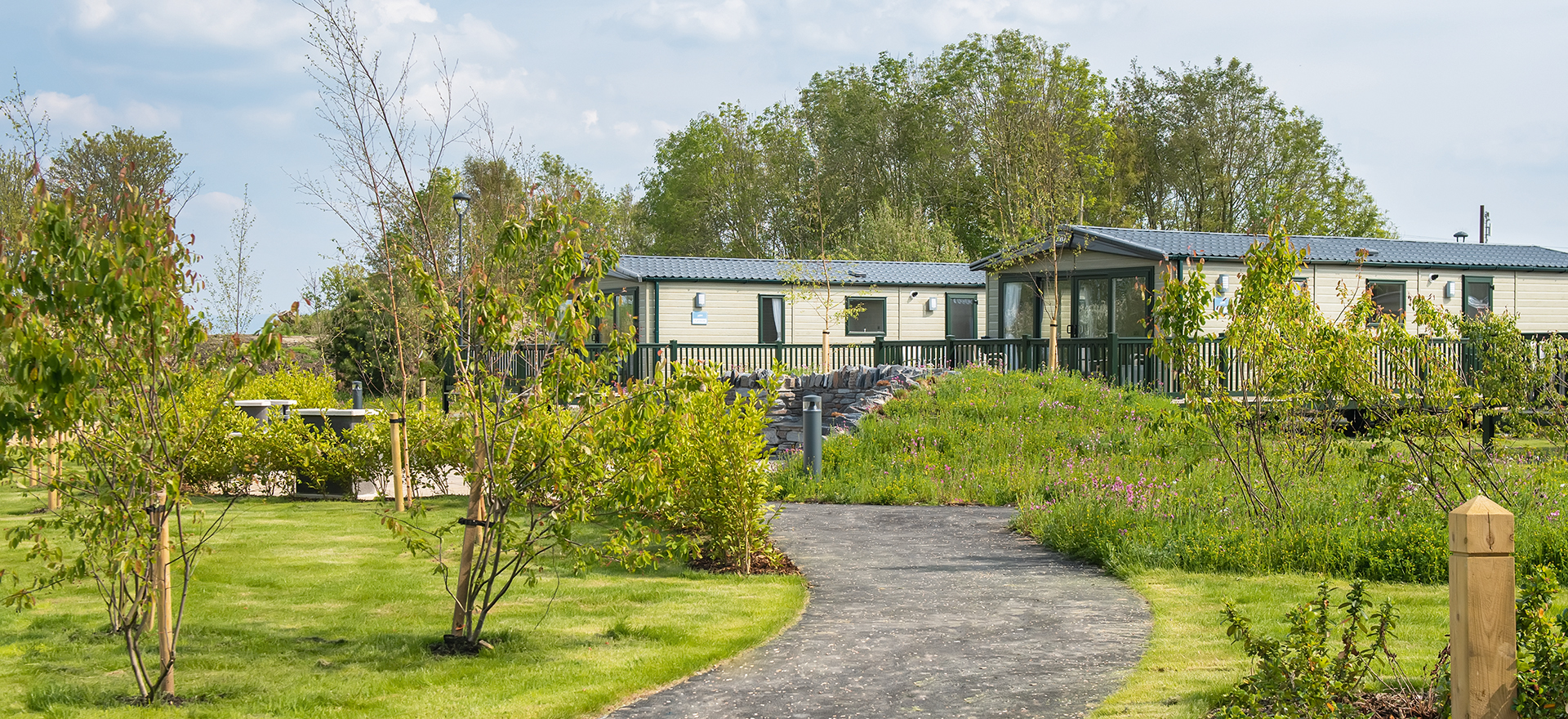
Hafan y Môr, Pwllheli
The planning system will be integral to such development and the Manifesto suggests changes will be made. How will these affect the development industry, and particularly tourism?
At a headline level, no radical overhaul is proposed for tourism-specific planning policy so far. However, several planning reforms could have meaningful implications for tourism development that requires engagement with the planning system:
-
Stronger community involvement: A more community-centred approach is intended to give local voices greater influence over planning decisions and priorities.
-
Earlier pre-application consultation: Developers of major schemes are expected to have to engage with stakeholders earlier in the process. It’s not clear if this would result in formal changes to the pre-application consultation (PAC) process or not but it is fair to say that leaving PAC to just before a planning application is far from effective for the community, applicants or local authorities. A review would be welcome.
-
Welsh language considerations: There will be an increased emphasis on embedding the Welsh language within the planning system in rolling out the Commission for Welsh-speaking Committees’ recommendations on town and county planning
, which includes a review of national policy and Technical Advice Note 13: Tourism.
-
Simplification of process: Efforts will be made to reduce bureaucracy and provide greater certainty around determination timescales. Although, no suggestions of how this will be delivered are published to date.
-
Reform of planning frameworks: Including a new National Development Framework, regional planning and enhanced use of Section 106 agreements to deliver local benefits.
Collectively, these changes point to a planning system that is focused on community aspirations and delivering community value. There is no published detail on how or when any of these changes will take place. None of it will be quick. Until then, the existing legislative and policy context will continue to provide the framework for determining planning applications but maybe communities will feel empowered to engage earlier and perhaps to challenge proposals that they consider are not wanted in their areas.
Localisation and Ownership
There are strong signals around increasing local ownership within and outside the tourism sector. The prominence given to the Gwynedd and Eryri Sustainable Visitor Economy 2035 strategy reflects a desire to embed sustainable tourism models that prioritise local benefit. The Manifesto commits to introducing a community right to buy local assets when they come up for sale, although there are no details yet to understand how this would work in practice.
This aligns with broader goals of strengthening community resilience and ensuring tourism contributes positively to Welsh identity and place-making.
What Should the Sector Do Now?
The Parkgate Hotel, Cardiff
For operators, landowners and developers, the evolving policy landscape presents both opportunities and challenges. Key actions for the sector include:
-
Engage early and often
Participate in local authority and national consultations and collaborate with industry bodies to shape emerging policy.
-
Influence plan-making
Ensure the tourism sector is actively represented in local, regional and national strategy development.
-
Strengthen community relationships
Go beyond statutory consultation requirements—early, meaningful engagement can build support and reduce risk.
-
Demonstrate value
Planning applications should clearly articulate the economic, social, cultural and environmental benefits of proposals
.
Politics and Pragmatism
Without a majority, Plaid Cymru will need to work collaboratively to deliver its agenda. Labour, alongside smaller parties, is likely to play a key role in supporting priorities—particularly where there is already policy alignment. In reality, there is significant common ground between Plaid Cymru and Labour on tourism and planning. Many initiatives—such as the visitor levy and accommodation registration system—are continuations of previous policies.
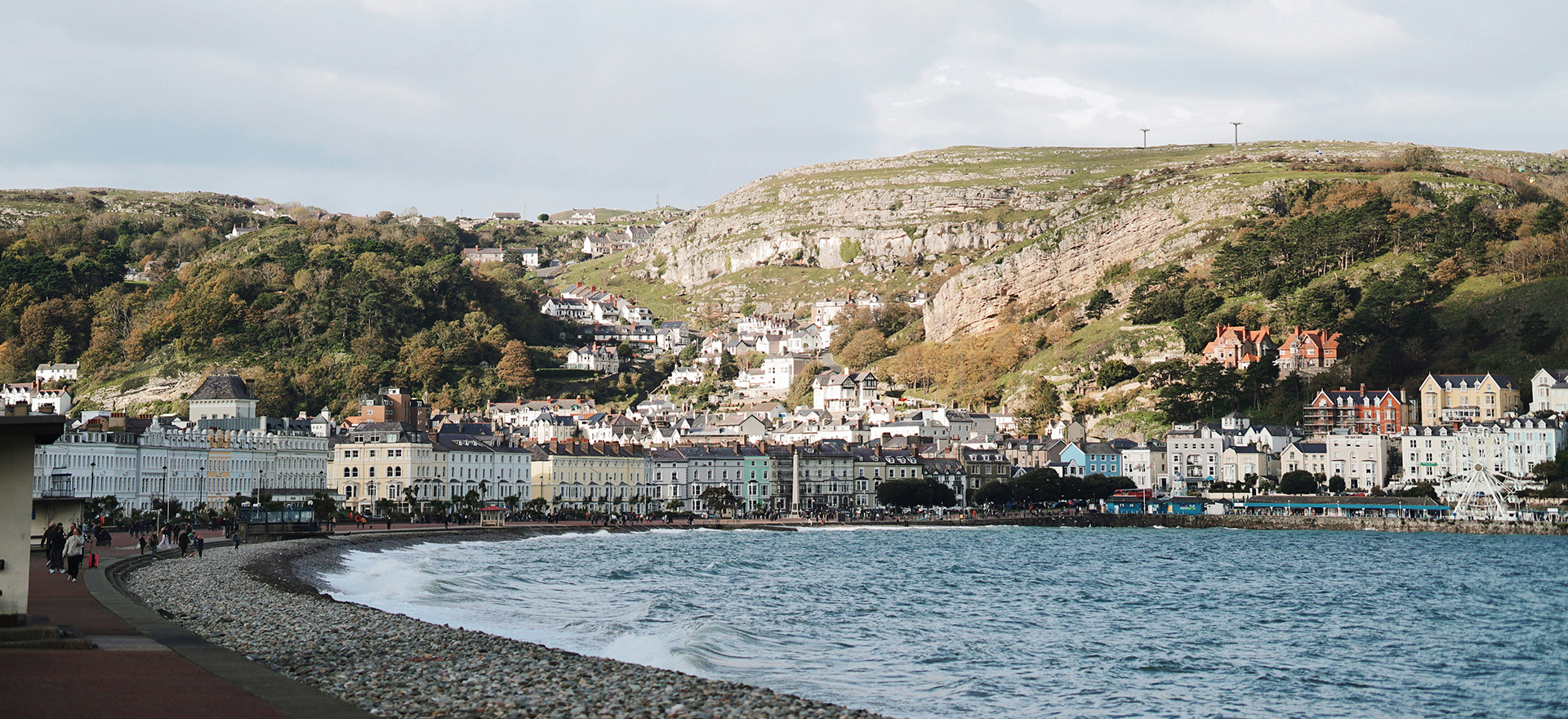
Llandudno seafront and Great Orme
Reform UK, as the official opposition, will no doubt put under scrutiny proposed changes to the planning system and those that affect the tourist industry. Its own Manifesto
appeared to take a stronger position on the value of tourism and hospitality to Wales. In doing so, it wants to see the tourism ‘tax’ scrapped, lowering the threshold to the current 182-days for holiday lets, adjust business rates and cut VAT for certain businesses within the sector. It also wants to change Visit Wales into an independent marketing-led body led by the tourism industry and to create a national tourism strategy to increase visitor numbers and spending as well as ensuring tourism works for residents and strengthens local economies. Whilst there are some clear differences between Plaid Cymru and Reform UK, there is also some degree of alignment at a headline level.
While the change in Government marks a significant political moment, the direction of travel for planning and tourism appears more evolutionary than revolutionary, at least in the short-medium term. The focus on sustainability and community benefit is not new—but it is being sharpened and reframed under Plaid Cymru’s leadership. Looking for cross party consensus across the spectrum will be key for Plaid Cymru if it wants to deliver quickly on its Manifesto commitments.
For those working in the tourism and leisure sectors, success will depend on embracing this shift: engaging with communities, aligning with policy priorities, and demonstrating how development can deliver lasting value for Wales.
Footnotes
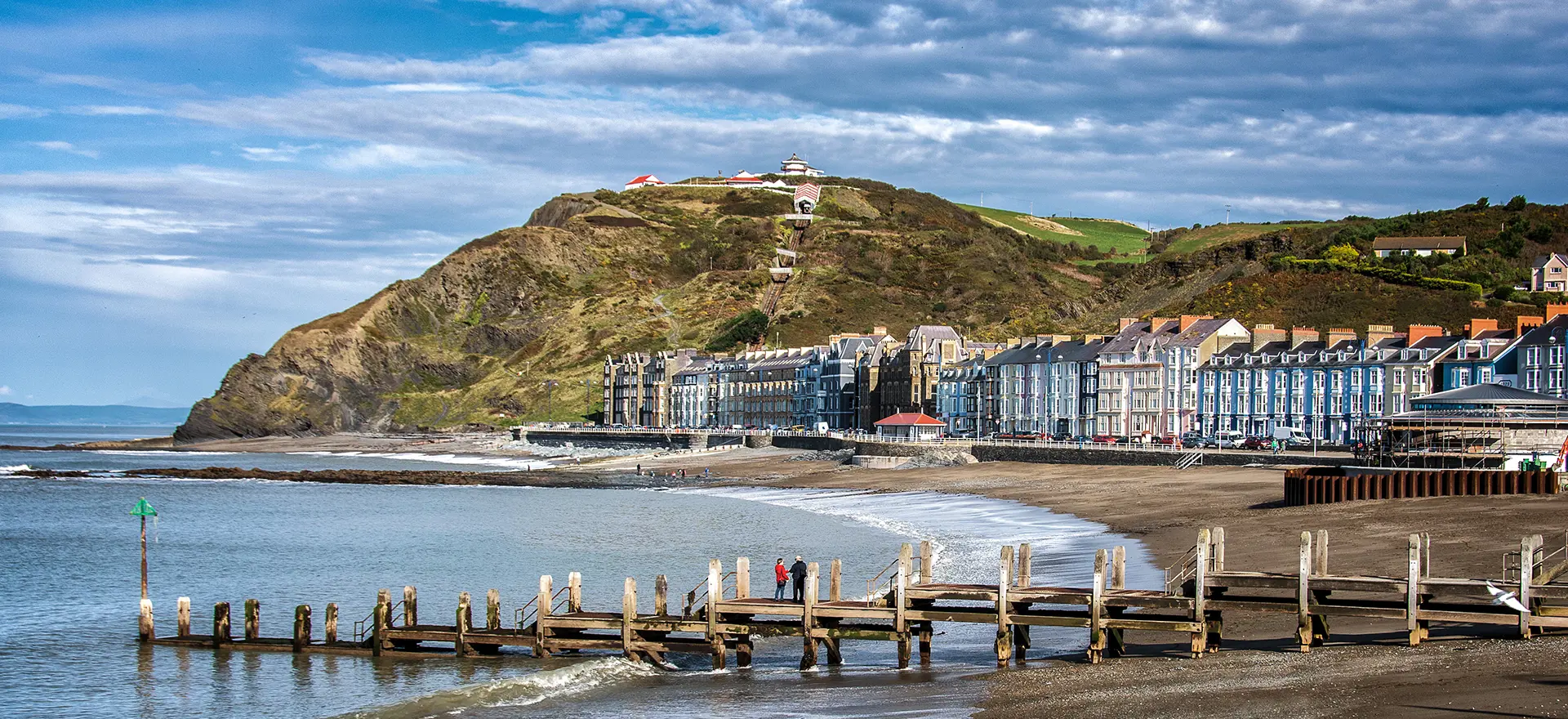
Header image: Aberystwyth seafront
Image credit: Hafan y Môr, Haven, Susannah Fields