
When I arrived in Leeds as a student in 2005, the city of Leeds was riding high on its reputation as one of the North’s great shopping destinations. Leeds was regularly described as the “Knightsbridge of the North”, a place where ambitious retail developments, luxury brands and new department stores helped define the city’s identity.
Shopping was a major part of what made Leeds feel different from other cities. The city had a confidence about it, with a retail offer that could compete with much larger destinations. Harvey Nichols, which had opened on Briggate in 1996, was an important part of that story: a statement of intent that Leeds belonged on the map of luxury retail.
Nearly two decades later, the news that the Harvey Nichols moniker will no longer feature over the shop door feels like the end of an era. Following its acquisition by Frasers Group in August 2026, the company has confirmed plans to convert the Leeds store into a Flannels. The building may continue to trade as a luxury fashion destination, but the Harvey Nichols brand, and everything associated with it — is set to disappear.
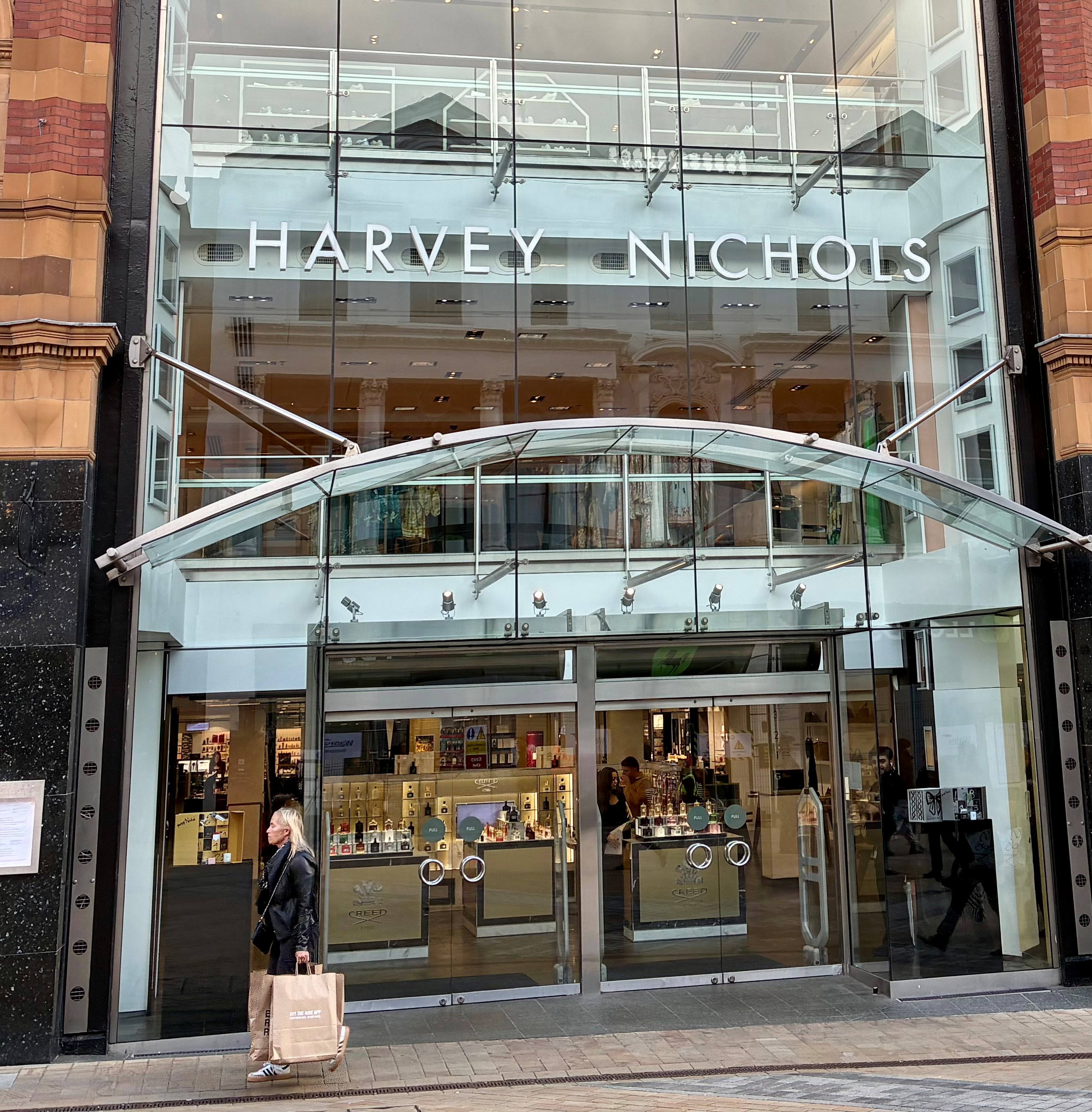 |
Harvey Nichols
For many, that will be a genuine loss. Yet, to understand what it means for Leeds, we need to look beyond one retailer and consider how dramatically the city centre has changed since I first arrived.
From the Knightsbridge of the North to a new retail landscape
The years around my arrival in Leeds were a period of considerable optimism for the city’s retail sector. New developments promised to strengthen its position as a regional shopping powerhouse, bringing fresh investment, more choice and a more modern shopping experience, even in the face of new, out-of-centre competition from the White Rose Shopping centre.
The opening of Trinity Leeds in 2013 was a major moment. Its arrival brought together shopping, restaurants and leisure in a prominent city-centre location, creating a new focal point for visitors. The development helped reinforce Leeds’ reputation as a place to shop, eat and spend time, rather than simply a destination for ticking items off a shopping list.
Meanwhile, the transformation of the Victoria Quarter into part of the wider Victoria Leeds offer, alongside the arrival of John Lewis at Victoria Gate in 2016, added another dimension to the city’s retail identity. The combination of historic architecture, luxury brands and a major department store gave Leeds a distinctive proposition.
At the time, it was easy to see these developments as evidence that the city’s retail future was secure. New shopping destinations were opening, major brands were investing, and Leeds seemed well placed to attract shoppers from across Yorkshire and beyond.
But retail is not a static industry. The very developments that helped Leeds flourish were being built during a period when the way people shop was beginning to change. Online retail was growing, consumer habits were evolving, and the traditional department-store model was coming under increasing pressure.
The changes that followed would challenge some of the assumptions on which that earlier confidence had been built.
The changing geography of Leeds shopping
One of the most interesting developments since 2005 has been the gradual shift in the centre of gravity for shopping.
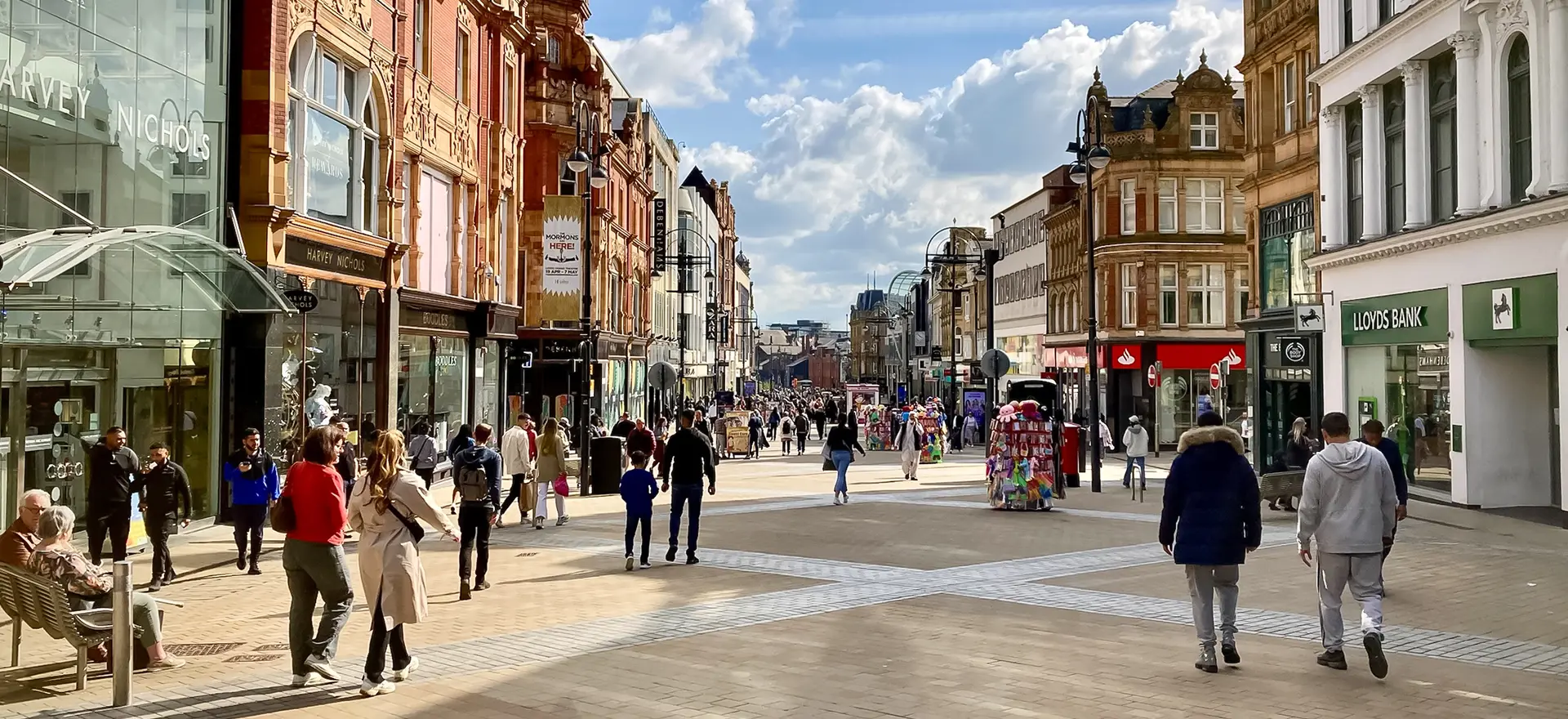
When I first arrived, Briggate and the surrounding streets were central to the city's retail identity. Harvey Nichols was a major attraction, while the established shopping streets and department stores helped define the experience of visiting Leeds.
The subsequent development of Trinity and Victoria Gate helped draw attention eastwards, particularly towards the John Lewis store at Victoria Gate, which opened in 2016.
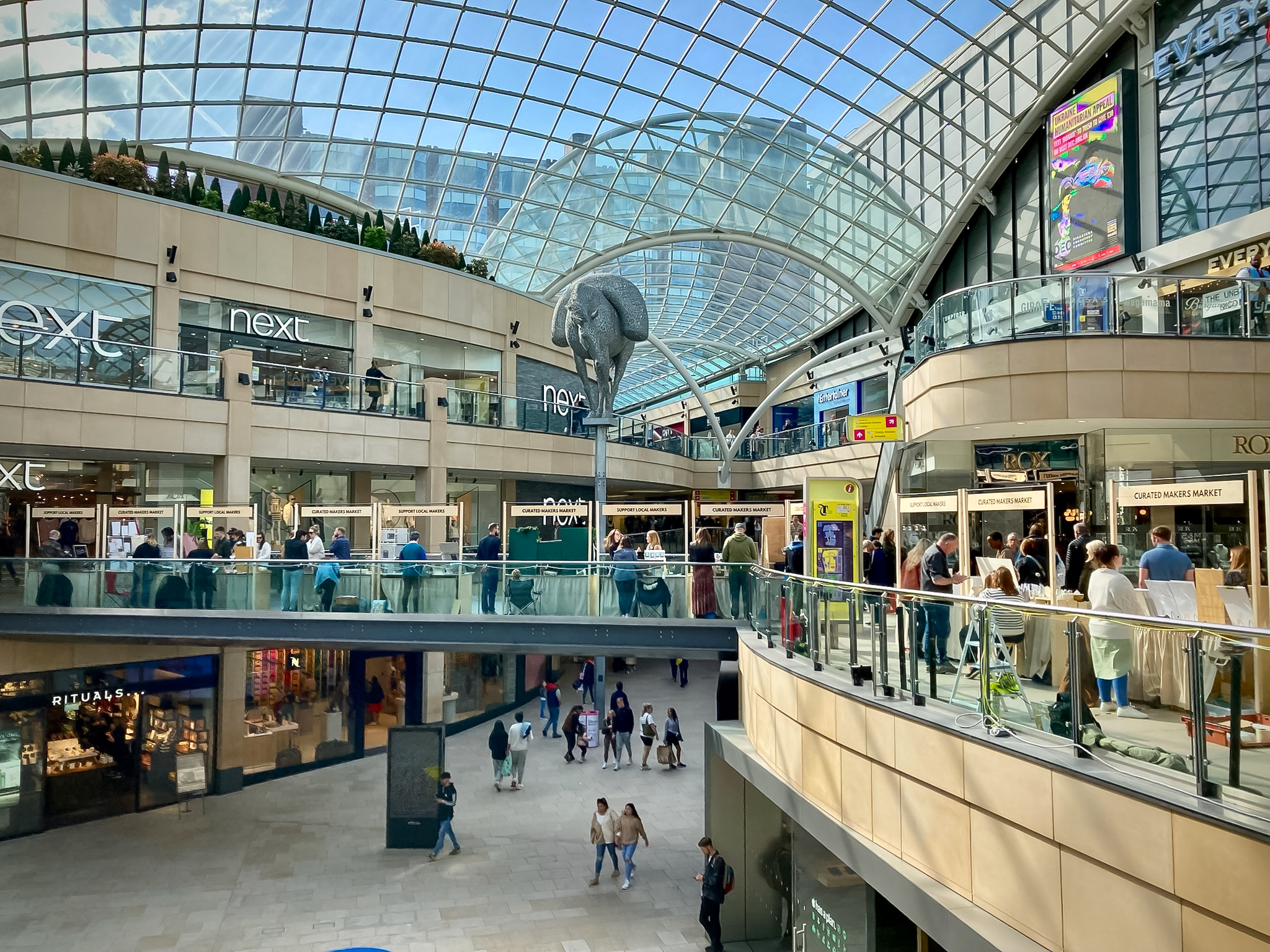 |
Trinity Leeds Shopping Centre
This was more than a change in the location of individual shops. It altered the way people moved through the city centre and where they chose to spend their time.
Newer developments offered modern retail environments, a carefully curated mix of brands and, in some cases, a more integrated food and leisure experience. As these destinations became established, older shopping areas faced the challenge of remaining relevant in a more competitive market.
John Lewis has become especially significant in this story. With the loss of traditional department-store names elsewhere, it will soon become the last remaining major department store in Leeds city centre. Its presence at Victoria Gate is a reminder of the city's continuing appeal as a regional retail destination, even as the wider department-store model comes under pressure.
But it also raises an important question: what happens when a city becomes increasingly reliant on a small number of major retail anchors?
The fortunes of those individual stores can have an outsized influence on the surrounding streets and businesses. A successful anchor can attract visitors
Evolution to re-calibration?
In September 2026, Leeds City Council reported that the vacancy rate across the city’s main retail area had fallen to 8.8% — its lowest level since records began in 2019. The council also reported more than 45 million pedestrian movements across eight key city-centre locations during the year to that point. These figures suggest that, despite the challenges facing traditional retail and the changing mix of occupiers, Leeds continues to attract significant footfall and demonstrates encouraging signs of resilience. A number of developments across Leeds city centre provide an insight into how its retail landscape is evolving in this context.
One of the most recent examples is the demolition of The Core Shopping Centre. Opened in 1987 as the Headrow Shopping Centre, it was once an important part of Leeds’ evolving retail offer. However, over time, it struggled to maintain its position alongside newer developments and changing consumer habits, eventually becoming largely vacant in its final years.
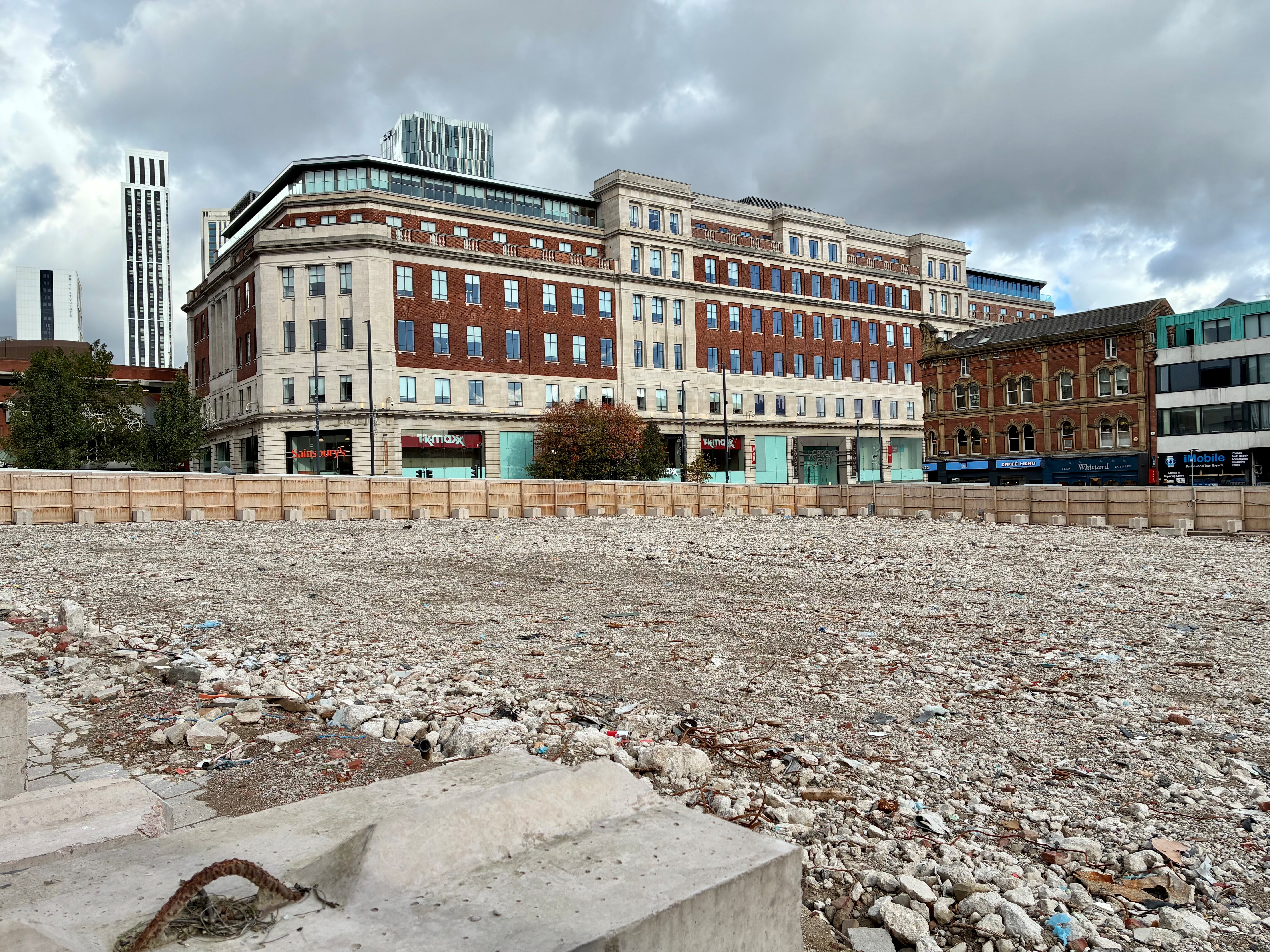 |
Garnet Exchange development site
Its redevelopment as the Garnet Exchange reflects a different vision for the city centre. Rather than simply replacing one shopping destination with another, the scheme signals a shift towards mixed-use development, combining commercial space with residential accommodation. Plans include ground-floor commercial units alongside hundreds of student flats above.
In effect, a building once designed primarily to accommodate shoppers is being reimagined as a place where people can live, work and spend money. This reflects a broader recognition that successful city centres need to offer more than retail alone.
Elsewhere, other developments highlight the opportunities and challenges facing Leeds’ retail offer.
Leeds Kirkgate Market remains an important city-centre destination, drawing visitors through its mix of independent traders, fresh produce and specialist retailers. The introduction of a casual food and drink offer has also helped broaden its appeal, creating a more flexible space for emerging businesses and new concepts. However, like many traditional markets, it continues to face pressures from rising operating costs and the changing economics of independent retail.
Leeds Corn Exchange demonstrates the potential of repurposing historic buildings to create distinctive retail destinations. Its architectural character and independent retail offer provide something different from the conventional shopping centre experience and undoubtedly provides a draw to visitors. Yet its occupancy has fluctuated over time, underlining the challenge of sustaining a specialist retail destination in an increasingly competitive market.
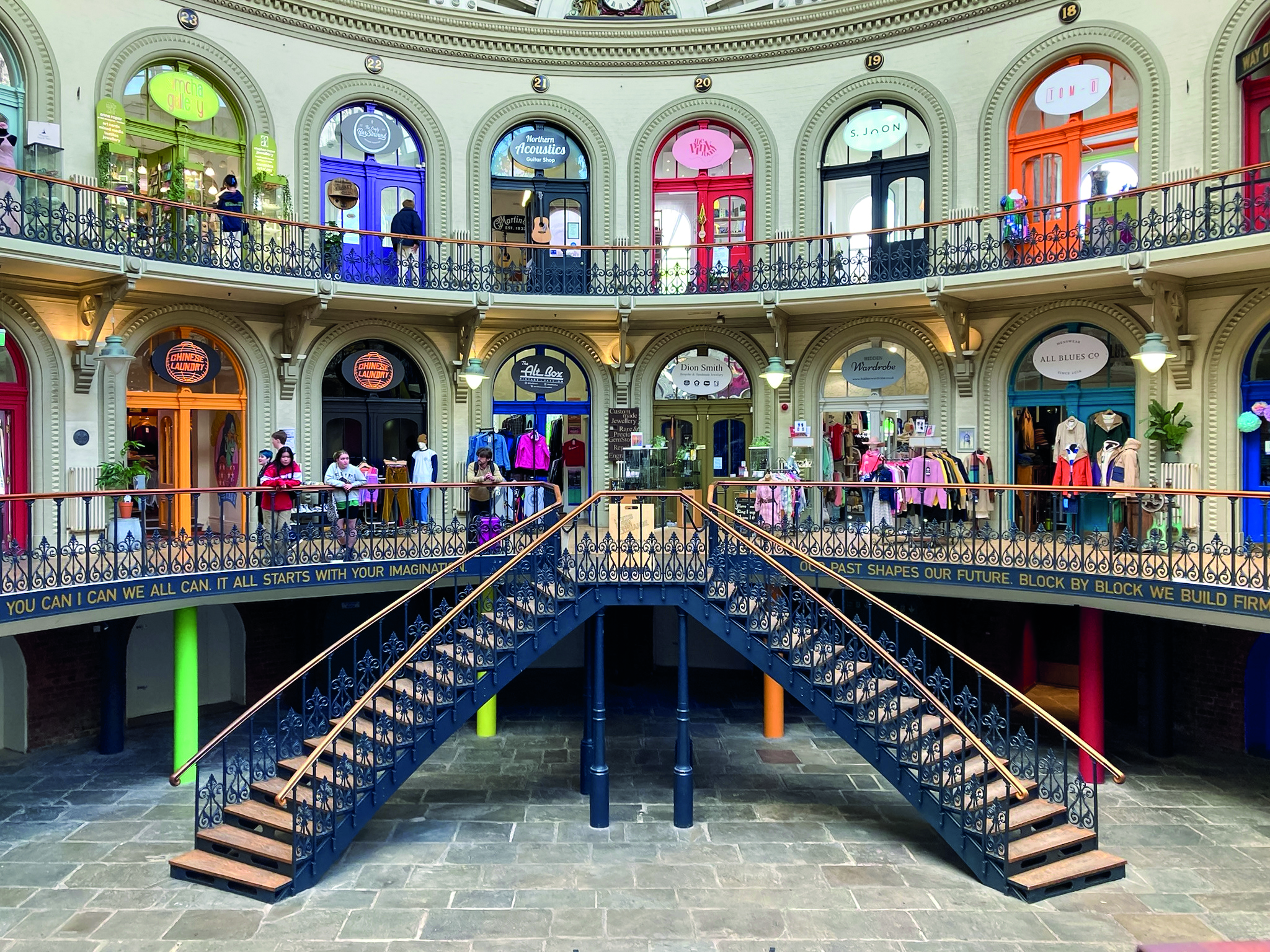 |
Leeds Corn Exchange
The Light, on The Headrow, provides another example of how a city-centre development can evolve. While retail remains part of its offer, leisure has become increasingly prominent, with restaurants, bars, a gym and a cinema helping to attract visitors beyond traditional shopping hours. Its evolution illustrates the growing importance of food, drink and recreation in encouraging people to spend time in the city centre.
The changing use of buildings is not limited to retail and leisure. The former Majestyk nightclub, close to Leeds railway station, has been transformed into high-quality office space. Although not a retail redevelopment, it highlights the wider transition taking place across the city, as buildings find new purposes in response to changing demand.
Taken together, these examples demonstrate how Leeds continues to adapt to new patterns of working, shopping and entertainment. Some buildings are being repurposed, others are diversifying their offer, and some are moving away from retail altogether. The common thread is the need to respond to how people want to use the city today, rather than relying on models that may no longer be sustainable.
Ultimately, the future of a successful city centre does not depend on preserving every former shopping centre or filling every vacant unit with another retailer. Harvey Nichols will no doubt be missed in Leeds but retail will undoubtedly remain an important part of the city’s evolving identity and economy.
A more sustainable future is likely to lie in a broader mix of uses, where shopping sits alongside residential, office, leisure, hospitality and cultural activities. By bringing more people into the city for different reasons and at different times of the day, Leeds has the opportunity to create a city centre that is not only commercially resilient but also more vibrant, accessible and appealing.